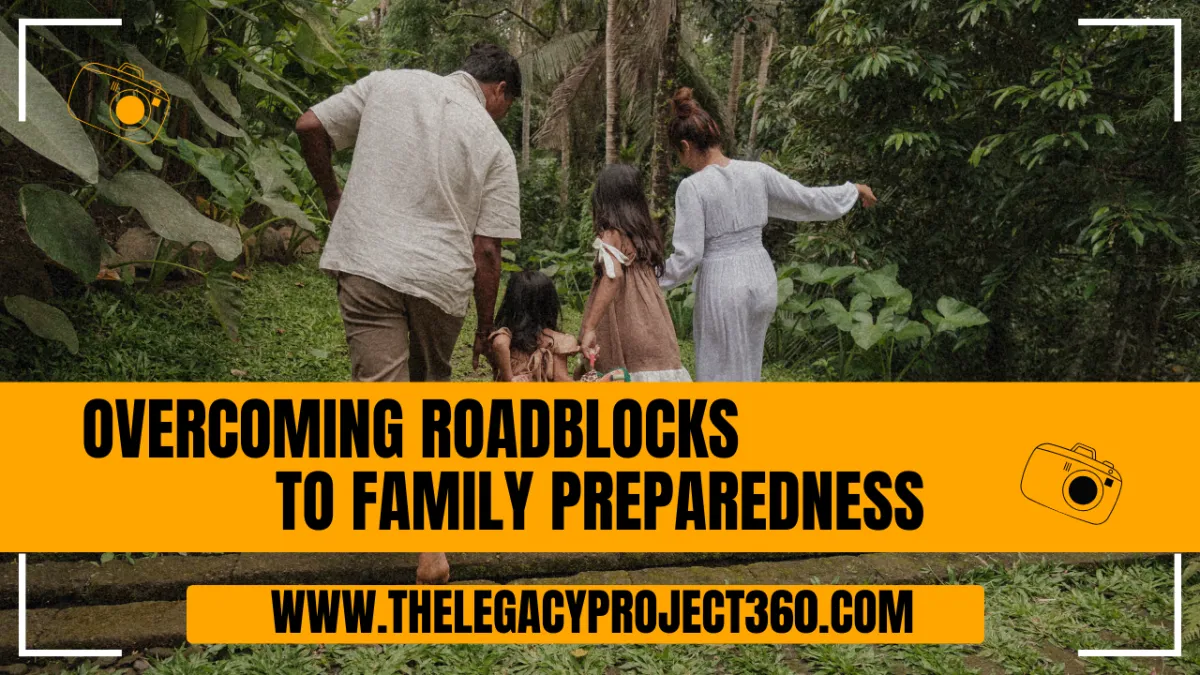
Overcoming Roadblocks to Family Preparedness
Have you ever found yourself staring at a long to-do list when the reality of an emergency hits home? I have, and it can feel paralyzing. Recently, I spoke with a family who called 911 for what seemed like a minor issue, yet it spiraled quickly out of control. They admitted, 'We talked about being prepared; we meant to organize; we just never did.' This scenario is far too common, but it doesn’t have to be.
Overcoming Roadblocks to Family Preparedness
The Illusion of Perfection in Preparedness
Why the Big Project Myth Holds Families Back
Small Steps Lead to Big Changes
Breaking Down Overwhelm to Build Momentum
Identify the First Step in Your Preparedness Journey
Sequence Is More Critical Than Perfection
Small Actions Build Confidence and Clarity
The Role of Denial and Financial Myths in Preparedness
The Illusion of Perfection in Preparedness
One of the most common preparedness misconceptions I encounter is the idea that getting ready for emergencies requires a massive, all-or-nothing effort. Many families believe they need to overhaul their entire home, buy every piece of gear, and create elaborate plans right from the start. This mindset creates an intimidating barrier that often leads to inaction.
Fear of imperfection is another major obstacle. People worry that if they don’t do it perfectly, their efforts will be useless or even counterproductive. That fear can be paralyzing, making it easier to avoid starting altogether. But the truth is, small, consistent steps can lead to meaningful progress. Remember,
"A simple plan you use beats a perfect plan you never finish."
Starting with just one small action—like organizing important documents in a Legacy Binder (see www.thelegacybinder.com)—can set the stage for bigger steps later.
Why the Big Project Myth Holds Families Back
Many families see preparedness as a big project, which often results in feeling overwhelmed. They picture checklists, extensive supplies, and complex systems—things that can seem impossible to tackle all at once. This misconception fuels avoidance, because no one wants to start something they believe they can’t finish perfectly.
Small Steps Lead to Big Changes
The key to overcoming this inertia is understanding that preparedness isn’t about immediate perfection. It’s about gradual improvements. Focus on what disrupts your life the fastest—power outages, medical emergencies, or paperwork organization—and start there. Each small step builds confidence and momentum. Over time, these tiny actions compound into a resilient, well-prepared family.
Remember, preparedness is an ongoing process, not a one-time event. It’s about making steady progress, not instant perfection. As I often say, “A simple plan you use beats a perfect plan you never finish.” So, don’t wait for the perfect moment or perfect plan—just start. The journey begins with a single, small step.
Breaking Down Overwhelm to Build Momentum
One of the biggest hurdles families face when starting their preparedness journey is feeling overwhelmed. It’s easy to get stuck in the idea that everything must be perfect from the start, which often leads to doing nothing at all. But here’s the truth: overwhelm is not a lack of ability; it’s a lack of sequence. When you understand the right order of steps, you can move forward with confidence and clarity.
Identify the First Step in Your Preparedness Journey
The key to overcoming overwhelm is to begin with one simple, manageable action. For most families, this means focusing on what disrupts daily life the fastest—such as power outages, medical emergencies, or short-term income disruptions. For example, start by organizing essential documents in a dedicated folder or creating a basic emergency plan for your household. These small steps create a foundation that makes larger tasks feel less intimidating.
Sequence Is More Critical Than Perfection
Many people believe they need a perfect plan or all the gear before they can start. That’s a myth. Instead, focus on a preparedness priority sequence. In the fire service, we prioritize life safety first, incident stabilization second, and property last. The same logic applies at home. Begin with life safety—know your exits, have medical supplies accessible, and ensure everyone understands what to do in an emergency. Once these basics are in place, other steps become easier to tackle.
Small Actions Build Confidence and Clarity
Taking small, consistent actions helps build momentum. For example, spending just ten minutes organizing your important papers or updating your family’s emergency contacts can make a big difference. These small wins boost confidence and reduce anxiety, making the next step less daunting. Remember, preparedness is an iterative process—done little by little, it adds up over time.
"Overwhelm is not a lack of ability; it’s a lack of sequence."
By understanding that the right sequence of actions is what truly matters, families can start moving forward instead of feeling paralyzed by the size of the task. For more guidance on creating a simple, effective preparedness plan, consider starting with tools like The Legacy Binder. It’s designed to help you step through the process, one small action at a time.
The Role of Denial and Financial Myths in Preparedness
Many families avoid taking steps toward preparedness because of denial or misconceptions about costs. Denial often masks the real risks we face—power outages, medical emergencies, or sudden job changes—making it easier to pretend everything will be fine. I’ve seen this firsthand: families tell themselves, “It won’t happen to us,” or “We’re not the type to need that,” even as life’s unpredictability proves otherwise.
One common barrier I encounter is the belief that preparedness is prohibitively expensive. Many think, “It costs too much to get organized,” or “I need to buy all the gear at once,” which leads to inaction. But the truth is, planning costs nothing. Conversations about what your family truly needs are free, and they set the foundation for effective, affordable steps. Leading with conversations helps identify priorities, so you can focus your resources where they matter most, reducing unnecessary spending.
"Planning costs nothing. Conversations cost nothing."
Personally, I’ve worked with families who delayed preparedness because they believed it would be too costly. When we broke down the process into small, manageable steps—like organizing important documents in a simple binder or discussing emergency plans—they realized they didn’t need to spend a fortune. Often, just starting with a basic Legacy Binder can make a huge difference, providing clarity and peace of mind without breaking the bank.
It’s also important to dispel the myth that preparedness requires a large budget. Most essential steps—such as creating a family plan, identifying local resources, or storing a few days’ worth of supplies—are free or low-cost. The key is to shift focus from expensive gear to strategic planning and open conversations. This approach not only saves money but also builds confidence and resilience.
Remember, denial and financial myths are barriers we can overcome. By understanding that preparedness begins with simple, intentional actions—many of which cost nothing—we can move past these roadblocks and start building a safer, more prepared family today.
Using Tools Like the Legacy Binder to Simplify Preparedness
One of the biggest hurdles families face when starting their preparedness journey is feeling overwhelmed by where to begin. That’s where simple organizational tools, like the Legacy Binder, come into play. These tools help lower entry barriers by providing a tangible, easy-to-use starting point, making the process less intimidating and more manageable.
The Legacy Binder benefits are clear: it consolidates essential documents, checklists, and plans into one accessible place. Instead of feeling lost in a sea of information, families can quickly locate what they need, reducing stress and confusion. It turns preparedness from a daunting task into a straightforward, step-by-step process. For example, families can use the binder to organize medical records, emergency contacts, or home safety plans—all in one place.
Using a tool like the Legacy Binder also makes preparedness more fun and engaging. It transforms what might seem like a chore into a family project. Kids can help fill out checklists, and everyone can contribute to creating a plan. This involvement fosters a sense of ownership and confidence, encouraging families to keep their preparedness efforts ongoing.
Most importantly, the Legacy Binder serves as a tangible starting point. It helps families step through the doorway of preparedness, removing friction and making the first step less intimidating. Once they see how easy it is to organize their important information, they often find the motivation to take the next small step—whether that’s reviewing their plans or gathering supplies.
"Preparedness starts when excuses stop running the show." — Paul Brewer
Remember, preparedness isn’t about perfection. It’s about progress. With tools like the Legacy Binder, families can simplify their preparedness processes, build confidence, and create a resilient foundation—one small step at a time.
Taking Imperfect Action: The Key to Preparedness
One of the most powerful lessons I’ve learned in helping families build preparedness resilience is that you don’t need to do everything perfectly from the start. In fact, taking imperfect action—just beginning with one small step—can be the most effective way to move forward. When families focus on starting, they create momentum that leads to clarity and confidence, making the entire process feel less overwhelming.
Start with one simple task: organize a folder, have a quick conversation about emergency plans, or gather essential documents. These small actions may seem insignificant, but they set the foundation for bigger progress. As I often say, movement creates clarity and builds confidence. Once you take that first step, the path becomes clearer, and the fear of doing everything perfectly diminishes.
Preparedness is not a one-time event; it’s a series of iterative actions. Every small step you take adds up over time, creating a resilient system that adapts and grows. Families who succeed in building preparedness resilience understand that progress is non-linear. They celebrate each small victory, knowing that these cumulative efforts are what truly matter.
"The families who build resilience are not special; they simply start."
Stories of families who took that initial step—whether it was creating a simple emergency plan or gathering supplies—are powerful reminders that action, even imperfect, is better than inaction. It’s easy to get caught up in the myth that everything must be perfect before you begin. But the truth is, perfection is the enemy of progress. The key is to focus on consistent, small actions that lead to lasting preparedness.
Remember, preparedness doesn’t have to be a daunting mountain. It’s a series of small, manageable steps that, over time, build a strong foundation. When you embrace imperfect action, you open the door to resilience and peace of mind. And to make this process easier, tools like the Legacy Binder can help you organize your efforts and keep you moving forward. The most important thing is to start—because once you do, the rest will follow.
TL;DR: Preparedness is often halted by mental barriers. By taking simple steps and utilizing tools like the Legacy Binder, families can start preparing effectively.


